
Roof Replacement

If you’ve been told it’s time for a new roof, you may be wondering what the process actually involves. The good news is that a roof replacement is often much faster and less disruptive than homeowners expect.

Knowing what happens before, during, and after your project can help you feel confident and prepared every step of the way.


Why Roof Replacement Matters

Your roof is one of the most important components of your home. It protects your family, belongings, and structure from rain, wind, snow, and other weather conditions.

When a roof reaches the end of its lifespan or suffers significant damage, replacing it can help:

  • Prevent leaks and water damage
  • Improve energy efficiency
  • Increase curb appeal
  • Protect your home’s value
  • Provide long-term peace of mind

Before the Project Begins

Once you’ve selected a contractor and approved the project, there are a few simple steps homeowners can take to prepare.

Clear the Area Around Your Home

Move vehicles away from the driveway and garage if possible. This gives the roofing crew room to work and helps protect your vehicles from falling debris.

Protect Outdoor Items

Patio furniture, grills, potted plants, and decorations should be moved away from the work area.

Prepare for Some Noise

Roof replacements involve hammering, tearing off materials, and moving equipment. While the noise is temporary, it’s helpful to plan accordingly if you work from home or have pets that may be sensitive to loud sounds.


Step 1: Removal of Old Roofing Materials

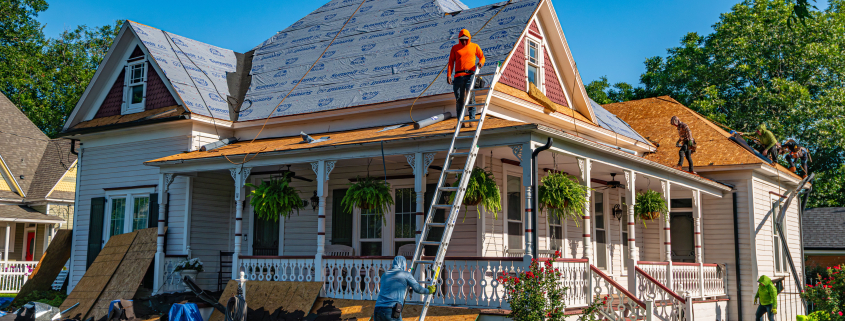
The first stage of most roof replacement projects is the tear-off process.

Your roofing crew will remove:

  • Old shingles
  • Underlayment
  • Flashing (if necessary)
  • Damaged roofing components

Removing the old materials allows the contractor to inspect the roof deck and ensure the new roof is installed on a solid foundation.

This phase often produces the most debris, but professional crews take steps to protect your property and contain cleanup throughout the process.

Step 2: Inspection of the Roof Decking

Once the old roofing materials have been removed, the decking underneath is carefully inspected.

The roof deck serves as the structural base of your roofing system. If any areas have been damaged by moisture, rot, or previous leaks, they must be repaired before the new roof can be installed.

This step is critical because installing new shingles over damaged decking can lead to future roofing problems.

Step 3: Installation of the New Roofing System

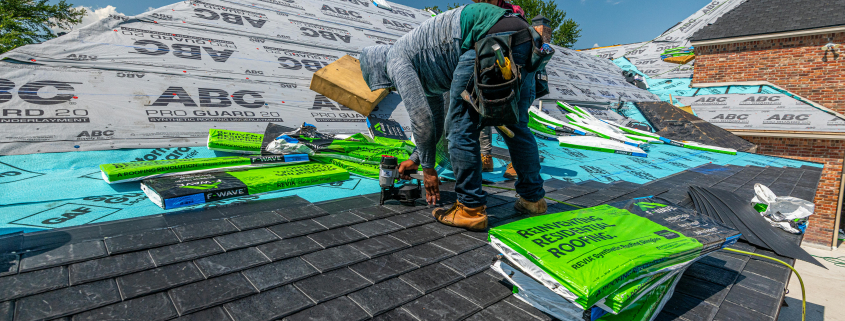
After the decking has been inspected and any necessary repairs completed, the new roofing system is installed.

This typically includes:

Underlayment

A protective barrier is installed to help prevent water intrusion.

Ice and Water Shield

In Ohio, ice and water shield is especially important because it helps protect vulnerable areas from ice dams and moisture infiltration.

Flashing

New flashing is installed around chimneys, vents, valleys, and other roof penetrations to help prevent leaks.

Shingles

Finally, the new shingles are installed according to manufacturer specifications to ensure maximum performance and warranty protection.

Step 4: Cleanup and Final Inspection

A quality roofing company doesn’t consider the project complete until the property is thoroughly cleaned.

After installation, the crew will:

  • Remove roofing debris
  • Sweep for nails using magnetic tools
  • Clean gutters if necessary
  • Inspect surrounding areas

Once cleanup is complete, a final inspection is performed to ensure the roof was installed correctly and meets quality standards.


How Long Does a Roof Replacement Take?

One of the most common questions homeowners ask is how long they’ll be without a roof.

Fortunately, most residential roof replacements are completed in just 1–3 days.

Factors that may affect the timeline include:

  • Roof size
  • Roof complexity
  • Weather conditions
  • Material availability
  • Necessary deck repairs

Larger or more complex projects may take slightly longer, but most homeowners are surprised by how quickly the process moves.

Common Questions Homeowners Have

Will I Need to Leave My Home?

In most cases, no. Homeowners can usually remain in their homes throughout the project.

What Happens if It Rains?

Professional roofing contractors closely monitor weather forecasts. If unexpected weather occurs, temporary protection measures are used to keep your home safe.

Will There Be a Lot of Mess?

While roof replacements naturally create debris, reputable contractors prioritize cleanup and leave the property in excellent condition.

Schedule Your Free Roof Inspection

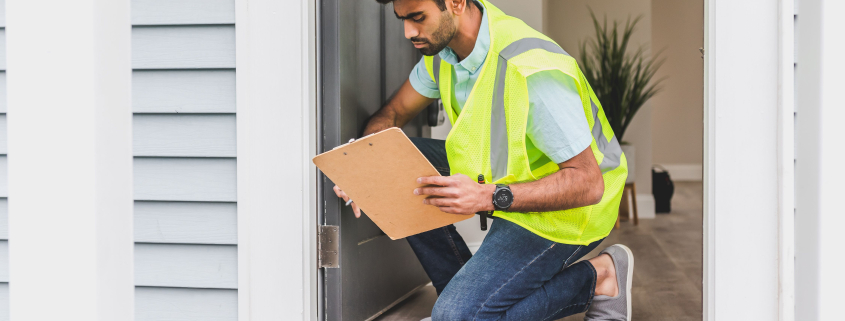
If you’re considering a roof replacement or wondering about the condition of your current roof, a professional inspection is the best place to start.

At Atlas Construction Group, we provide free roof inspections, honest recommendations, and high-quality roofing solutions designed to protect Ohio homeowners for years to come. Contact us today to schedule your free inspection and learn whether repair or replacement is the right option for your home!

Ohio Homes

Winter weather in Ohio can be tough on your home. Snow, ice, freezing temperatures, and strong winds can all cause damage that may not be immediately noticeable. That’s why spring is one of the best times to inspect your home and address small issues before they turn into expensive repairs.

Using a spring home maintenance checklist can help protect your investment, improve your home’s appearance, and give you peace of mind heading into the warmer months.

Inspect Your Roof for Missing or Damaged Shingles

Your roof is your home’s first line of defense against the elements, and winter weather can take a serious toll on roofing materials. Heavy snow, ice buildup, and strong winds can loosen, crack, or completely remove shingles.

Signs to look for include:

  • Missing shingles
  • Cracked or curling shingles
  • Lifted shingles after windstorms
  • Granules collecting in gutters

Even minor roof damage can allow moisture to enter your home and lead to leaks or structural issues over time. If you notice signs of damage—or simply can’t safely inspect your roof yourself—a professional inspection can help identify hidden problems early.

Clean and Check Your Gutters

Gutters play a major role in protecting your home from water damage. During winter, gutters can become clogged with leaves, debris, and shingle granules. Ice and snow can also cause gutters to loosen or sag.

This spring, make sure to:

  • Remove debris from gutters and downspouts
  • Check for leaks or rust spots
  • Look for sagging sections
  • Ensure water is draining away from your foundation

Damaged or clogged gutters can lead to roof leaks, siding damage, and even foundation problems if water is not properly directed away from your home.

Look for Siding Damage

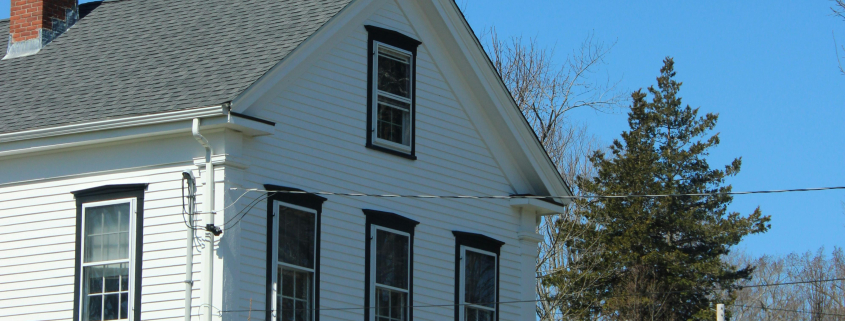
Your siding protects your home from moisture, wind, and temperature changes. Winter weather and storms can cause siding to crack, loosen, warp, or fade over time.

Common signs of siding damage include:

  • Loose or missing panels
  • Cracks or holes
  • Warping or buckling
  • Mold or mildew growth
  • Peeling paint or fading

Addressing siding issues early can help prevent water intrusion and improve your home’s energy efficiency and curb appeal.

Check for Water Stains Indoors

Sometimes exterior damage shows up inside your home first. Water stains on ceilings or walls are often signs of roof leaks or moisture intrusion.

Pay close attention to:

  • Brown or yellow ceiling stains
  • Peeling paint or bubbling drywall
  • Musty odors
  • Damp areas in attics or upper rooms

Even small leaks can lead to mold growth and costly repairs if ignored for too long.

Inspect Your Foundation for Cracks

Ohio’s freeze-thaw cycles can cause soil movement and put stress on your home’s foundation. Small cracks may not seem like a big issue at first, but they can worsen over time.

When inspecting your foundation, look for:

  • Visible cracks
  • Water pooling near the home
  • Uneven concrete
  • Signs of moisture in the basement

Catching foundation issues early can help prevent larger structural concerns later on.

Why Spring Home Maintenance Matters

Small problems today can quickly turn into major repairs tomorrow. A loose shingle, clogged gutter, or small siding crack may not seem urgent, but over time these issues can lead to leaks, water damage, mold, and expensive structural repairs.

Routine spring maintenance helps:

  • Extend the life of your home’s exterior
  • Prevent costly repairs
  • Improve energy efficiency
  • Protect your property value
  • Give homeowners peace of mind

Schedule a Professional Inspection

Some damage isn’t always visible from the ground or obvious to homeowners. Professional inspections can help identify hidden issues before they become bigger problems.

At Atlas Construction Group, we offer free inspections and estimates to help homeowners protect their homes after winter weather and storm season. Whether you need roofing, siding, gutters, or exterior repairs, our team is here to help.

Roof Repair

One of the most common questions homeowners ask is: Should I repair my roof or replace it entirely?

The answer depends on the extent of the damage, the age of your roof, and your long-term goals. 

When Roof Repair Makes Sense:

Repairs are usually the best option if:

  • Damage is minor or localized
  • Your roof is under 10-15 years old
  • There are no major leaks or structural issues

A quick repair can extend your roof’s lifespan and save money in the short term. 

When It’s Time for a Full Replacement:

A replacement may be necessary if:

  • Damage is widespread
  • Your roof is nearing the end of its lifespan
  • You’ve had multiple repairs already
  • There are leaks or underlying structural issues

While more expensive upfront, a replacement offers long-term protection and peace of mind. 

Cost vs. Value

Repairs cost less initially, but repeated fixes can add up. A full replacement is a bigger investment but often more cost-effective over time. 

Professional Inspection Matters 

The best way to know for sure is to have a professional assess your roof. An honest contractor will recommend the most practical solution, not just the most expensive one. Making the right decision now can save you thousands later!